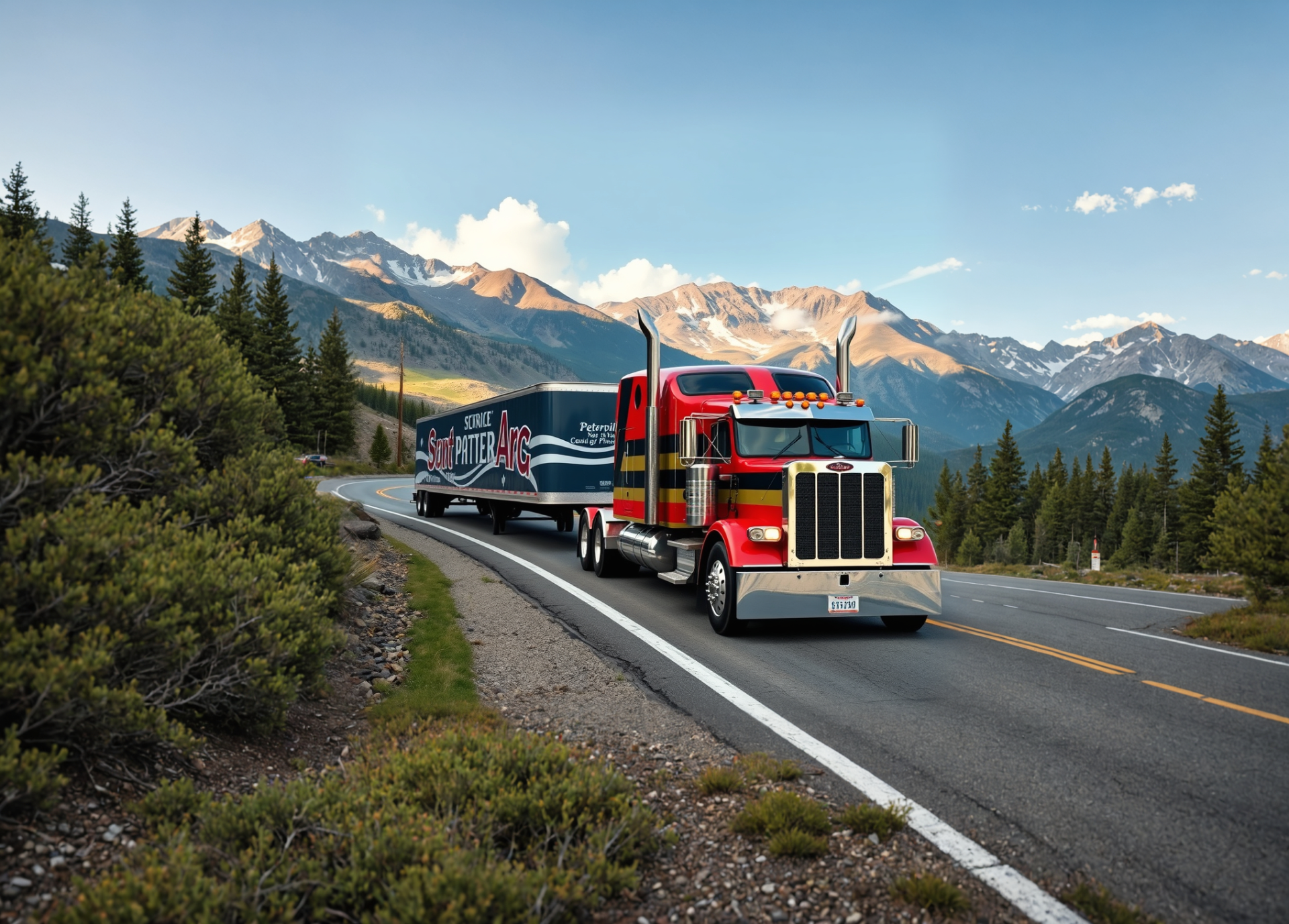
Finding the Best Trucking Routes: A Guide to Efficient Trucking Route Strategies

Navigating the open road is both an art and a science. Whether you’re hauling freight across states or making local deliveries, finding the right path can save you time, fuel, and headaches. I’ve spent countless hours behind the wheel and behind the screen, mapping out routes that work smarter, not harder. Let’s dive into some practical tips and tricks to help you master efficient trucking route strategies and keep your wheels turning smoothly.
Why Efficient Trucking Route Strategies Matter
Efficiency on the road isn’t just about speed. It’s about planning routes that balance distance, traffic, road conditions, and regulations. When you nail your route planning, you reduce fuel costs, avoid delays, and get your cargo delivered on time. Plus, it means less stress and more time to enjoy the journey.
Here’s what I focus on when plotting a route:
Avoiding congested areas during peak hours
Choosing roads with suitable weight limits and clearances
Factoring in rest stops and fuel stations that accommodate big rigs
Using technology to stay updated on traffic and weather
By combining these elements, you create a route that’s not just the shortest but the smartest.

Top Tips for Efficient Trucking Route Strategies
Let’s get into the nitty-gritty of route planning. Here are some of my favorite strategies that make a real difference:
1. Use Dedicated Truck GPS and Apps
Regular GPS apps are great, but they often miss truck-specific restrictions like low bridges or weight limits. Invest in a GPS designed for trucks or use apps that offer trucking routes. These tools help you avoid costly detours and fines.
2. Plan for Rest and Refuel Stops
Long hauls require breaks. Plan your route around truck-friendly rest areas and fuel stations. This keeps you compliant with hours-of-service rules and ensures you’re never caught low on fuel.
3. Check Road Conditions and Weather
Weather can turn a smooth ride into a nightmare. Use apps or websites that provide real-time updates on road closures, construction, and weather alerts. Adjust your route accordingly to stay safe and on schedule.
4. Avoid Toll Roads When Possible
Tolls add up fast. If time allows, choose alternate routes that avoid tolls. Sometimes a slightly longer route saves you money and hassle.
5. Factor in Delivery Windows
Some customers have strict delivery times. Make sure your route accounts for these windows to avoid waiting or rescheduling.
6. Keep an Eye on Traffic Patterns
Rush hour traffic can add hours to your trip. Plan your departure times and routes to dodge the busiest roads during peak times.
By combining these tips, you’ll be well on your way to mastering efficient trucking route strategies.
What is the 70 Hour Rule for Truckers?
If you’re new to trucking or just need a refresher, the 70 hour rule is a key regulation to understand. It limits the total number of hours a trucker can drive within an 8-day period to 70 hours. This rule is designed to prevent fatigue and keep everyone on the road safer.
Here’s how it works:
You can drive up to 11 hours per day.
You must take at least 10 consecutive hours off before driving again.
Your total driving time cannot exceed 70 hours in 8 consecutive days.
This means your route planning must include enough downtime to comply with these limits. Ignoring the 70 hour rule can lead to hefty fines and put you and others at risk.
Pro Tip: Use electronic logging devices (ELDs) to track your hours automatically. They make compliance easier and reduce paperwork.
How to Choose the Best Trucking Routes for Your Load
Choosing the right route depends on several factors. Here’s a quick checklist to help you decide:
Load type and size: Oversized or hazardous loads may require special routes.
Road restrictions: Check for weight limits, bridge heights, and hazardous material restrictions.
Distance vs. time: Sometimes a longer route is faster if it avoids traffic or stops.
Fuel availability: Plan routes with accessible truck stops.
Weather forecasts: Avoid routes prone to severe weather conditions.
Remember, the best trucking routes aren’t always the shortest. They’re the ones that get you there safely, on time, and within budget.

Tools and Resources to Help You Find the Best Routes
Technology has revolutionized route planning. Here are some tools I recommend:
Truck-specific GPS devices: Garmin Dezl, Rand McNally TND
Mobile apps: Trucker Path, CoPilot Truck, Google Maps (with truck mode)
Online route planners: Truckers-Trails offers route planning tools tailored for truckers
Weather apps: AccuWeather, Weather Channel
Traffic updates: Waze, local DOT websites
Using these resources together gives you a comprehensive view of your route and helps you avoid surprises.
Staying Safe and Legal on Your Route
Safety and compliance go hand in hand with good route planning. Here are some quick reminders:
Always check your load is secure before hitting the road.
Follow hours-of-service rules, including the 70 hour rule.
Keep your paperwork handy, including permits for special routes.
Stay alert for road signs indicating truck restrictions.
Take breaks regularly to avoid fatigue.
Good planning means fewer risks and a smoother ride.
Keep Improving Your Route Planning Skills
Route planning is a skill that gets better with practice. Here’s how to keep sharpening it:
Review your trips and note what worked and what didn’t.
Stay updated on new regulations and road changes.
Join trucking forums and communities to share tips.
Experiment with different tools and apps.
Always have a backup plan in case of unexpected delays.
The road is always changing, and so should your strategies.
Your Road to Smarter Trucking Starts Here
Finding the best trucking routes is a journey, not a one-time task. With the right strategies, tools, and mindset, you can make every mile count. Remember, it’s not just about getting from point A to point B - it’s about doing it safely, efficiently, and with a little bit of fun along the way.
Keep your wheels rolling and your spirits high. The open road is waiting, and with these tips, you’re ready to take it on like a pro.
Safe travels!


Comments