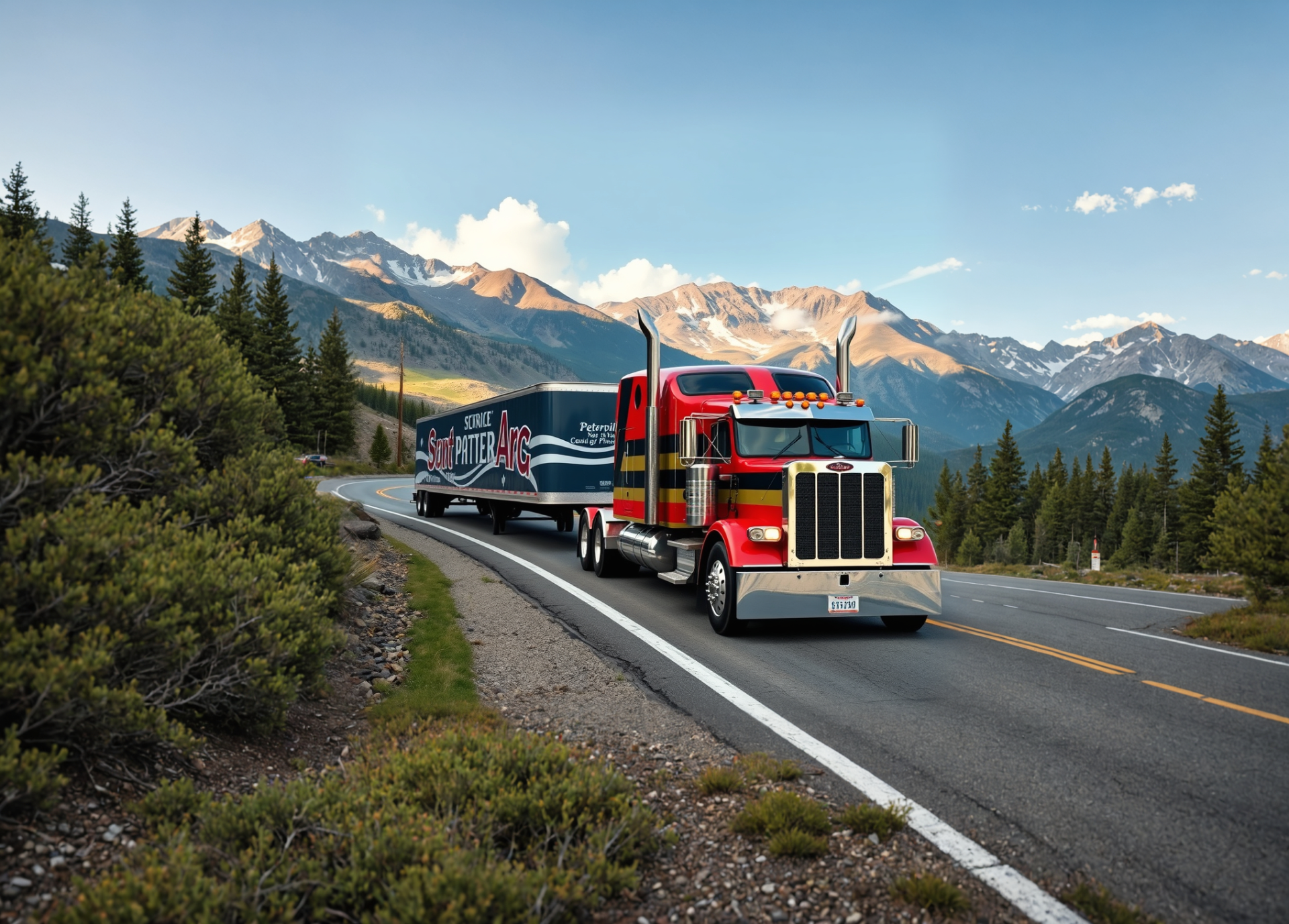
Discover the Ideal Trucking Routes in the US

Updated: Dec 29, 2025
When it comes to trucking across the United States, knowing the ideal routes can make all the difference. Whether you’re hauling freight coast to coast or just making regional runs, the right path can save you time, fuel, and stress. I’ve spent countless hours behind the wheel and on the map, and I’m here to share some insights that will help you navigate the highways like a pro.
Let’s dive into the highways, byways, and everything in between that make up the best trucking routes in the US. Buckle up!
Why Choosing the Ideal Trucking Routes Matters
Picking the right route isn’t just about getting from point A to point B. It’s about efficiency, safety, and even your sanity. The ideal trucking routes help you:
Avoid heavy traffic and construction delays
Find truck-friendly rest stops and fuel stations
Navigate around low bridges and weight-restricted roads
Maximize your hours on the road without unnecessary detours
For example, the I-80 corridor is a favorite for many truckers because it stretches from coast to coast and offers plenty of amenities. But sometimes, a detour on a less busy highway can save you hours during peak traffic times.
Planning ahead means less time stuck in traffic and more time moving your load. And who doesn’t want that?

Exploring the Ideal Trucking Routes Across the US
The US is vast, and so are the options for trucking routes. Here are some of the top routes that combine efficiency, safety, and convenience:
1. Interstate 95 (I-95) - East Coast Lifeline
Running from Florida to Maine, I-95 is the backbone of the East Coast. It connects major cities like Miami, Washington D.C., and New York City. While it can get congested, especially near urban centers, it offers plenty of truck stops and services.
2. Interstate 10 (I-10) - Southern Cross-Country
Stretching from California to Florida, I-10 is perfect for those hauling goods across the southern states. The route is generally flat and less mountainous, which is easier on your rig and fuel consumption.
3. Interstate 80 (I-80) - The Northern Express
This coast-to-coast route runs from San Francisco to Teaneck, New Jersey. It’s a favorite for long-haul truckers because of its directness and the abundance of truck-friendly facilities.
4. Interstate 40 (I-40) - The Southern Middle
I-40 runs from California to North Carolina and is a great alternative to I-10 for cross-country hauls. It passes through major trucking hubs like Oklahoma City and Nashville.
5. Interstate 70 (I-70) - The Heartland Connector
Running from Utah to Maryland, I-70 cuts through the heart of the country. It’s ideal for those who want to avoid the coastal traffic but still cover a lot of ground efficiently.
Each of these routes has its perks and quirks. For instance, I-95 might have more traffic, but it also has more options for rest and repair. Meanwhile, I-80 offers a smoother ride with fewer stops but can get snowy in winter.
If you want to explore more about the best trucking routes, this site is a fantastic resource packed with maps, tips, and community advice.

What is the 70 Hour Rule for Truckers?
If you’re new to trucking or just need a refresher, the 70-hour rule is a key part of managing your time on the road. It’s a regulation set by the Federal Motor Carrier Safety Administration (FMCSA) to keep truckers safe and well-rested.
Here’s the gist:
You can drive a maximum of 70 hours over 8 consecutive days.
After hitting that limit, you must take a 34-hour restart before you can drive again.
This rule helps prevent fatigue, which is a major cause of accidents.
For example, if you start your workweek on Monday, you track your hours through the week. Once you hit 70 hours, you’re required to rest for 34 hours before resuming driving. This often means taking a full day or more off the road.
Understanding this rule helps you plan your routes and stops better. You can schedule your breaks and overnight stays around it, ensuring you stay legal and safe.
Tips for Planning Your Trucking Routes Like a Pro
Planning is half the battle. Here are some practical tips to help you pick and stick to the ideal trucking routes:
Use GPS and Truck-Specific Navigation Apps
Regular GPS can lead you into trouble with low bridges or restricted roads. Truck-specific apps like Trucker Path or Rand McNally’s tools are designed with truckers in mind.
Check Weather and Road Conditions
Weather can change quickly, especially in mountainous or northern regions. Use apps or websites to check for closures or hazardous conditions.
Plan Your Fuel Stops
Fuel efficiency is key. Plan stops at truck-friendly stations that offer diesel and amenities like showers and food.
Know Your Load Limits
Some routes have weight restrictions or low clearance bridges. Always check your load against route restrictions to avoid fines or detours.
Join Online Trucking Communities
Sites like Truckers-Trails offer forums and route advice from fellow truckers. Real-world tips can save you time and headaches.
Keep Your Hours in Mind
Remember the 70-hour rule and plan your driving and rest times accordingly.
Making the Most of Your Time on the Road
Trucking isn’t just about driving. It’s about managing your time, staying healthy, and enjoying the journey. Here are some ways to make your time on the road better:
Find Rest Stops with Good Amenities
Look for stops with clean bathrooms, showers, and places to grab a decent meal.
Stay Connected
Use apps and social media to keep in touch with other truckers. It’s a great way to share tips and stay motivated.
Keep Your Rig in Top Shape
Regular maintenance prevents breakdowns and keeps you on schedule.
Take Breaks and Stretch
Long hours sitting can be tough on your body. Take short breaks to stretch and move around.
Listen to Podcasts or Audiobooks
Keep your mind engaged and entertained during long stretches.
Your Road Ahead
Choosing the right routes and managing your time well can turn a tough haul into a smooth ride. With the right planning, you’ll find yourself spending less time stuck and more time rolling down the highway.
Remember, the best trucking routes are out there waiting for you. Use the resources available, stay safe, and enjoy the freedom of the open road. Here’s to many miles of smooth driving ahead!
The Importance of Community in Trucking
As truckers, we often spend long hours alone on the road. However, it’s essential to remember that we are part of a larger community. Connecting with fellow truckers can provide support, advice, and camaraderie.
Building Connections
Engaging with others in the trucking community can be as simple as chatting at a truck stop or joining online forums. Sharing experiences and tips can make a significant difference in your journey.
Finding Your Tribe
Whether it’s through social media groups or local meet-ups, finding your tribe can enhance your trucking experience. You’ll discover that many others share your challenges and triumphs.
Sharing Knowledge
Don’t hesitate to share your own tips and tricks. The more we share, the stronger our community becomes.
In conclusion, the road ahead is filled with opportunities for connection and growth. Embrace the journey, and remember that you’re never truly alone on the road. Happy trucking!



Comments